

Sea lice getting worse
The Salmon & Trout Association (S&TA), has found that juvenile wild sea trout in Little Loch Broom are carrying huge numbers of parasitic sea lice. Forty-six juvenile sea trout were monitored over six days, and the results were appalling. The average number of sea lice per fish was 133, with many carrying over 200. Two were burdened by over 500. None of these young fish would be likely to survive.
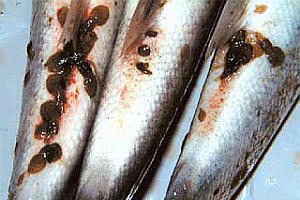 Little Loch Broom is part of the Kennart to Gruinard area, and already has a bad record of lice infestations in its seven fish farms. In both February and March this year the average number of adult female sea lice on salmon in the seven fish farms was nine times over the threshold set by the salmon farming industry’s own Code of Good Practice
Hughie Campbell Adamson, Chairman of the S&TA in Scotland, said the astronomical number of sea lice on the hundreds of thousands of farmed salmon in Little Loch Broom are ‘in effect out of control.’ He added that such a reservoir of adult breeding female lice ‘will have produced literally billions of juvenile sea lice’ that are in turn populating the wild sea trout ‘with devastating consequences’.
Describing what happens, he explained, ‘Lice feed by grazing on the surface of the fish and eating the mucous and skin. Large numbers of lice on fragile small sea trout soon cause the loss of fins, severe scarring, secondary infections and, in time, death. Quite literally, these young fish, which do not usually experience such heavy lice burdens, are being eaten alive – a direct consequence of the failure by salmon farms to keep on-farm sea lice numbers in check.’
The Wester Ross District Salmon Fishery Board formally reported the situation in Little Loch Broom to the Fish Health Inspectorate on June 14th, asking them to investigate. To date there has been no response.


