

Stopping the Scourge of Nuisance Calls
Almost everyone has received a nuisance calls at some time and I’m sure most people can relate to the experience of rushing to answer their home telephone or mobile, only to be confronted by a cold caller; be it someone offering a new boiler, saying that they can help claim for Payment Protection Insurance or a recent accident or for numerous other reasons. For many, these calls are innumerable, incessant, and often cause significant distress.
This is a problem of which I have first-hand experience, receiving them as I do myself. Scores of constituents have also contacted me, explaining how the scourge of nuisance calls is making their lives a misery and seeking action to prevent them. These communications can be particularly disturbing for the most vulnerable people I our communities.
Although nuisance calls are not a new phenomenon, they have recently been brought into sharp focus. The Consumers’ Association Which? carried out research illustrating that one third of people regularly receiving cold calls feel intimated by them. For some, the number of calls has been severe enough for them to stop answering their phone altogether.
 Consider the case of an elderly person who is entirely reliant on a telephone for keeping in touch with relatives, but constantly receives unsolicited calls. Should he/she simply ignore these calls, they risk the possibility of alarming those closest to them, who may already be worried about their health. Some suggest countering nuisance calls by purchasing call-screening technology, but why should the onus be on consumers, as opposed to imposing one on those companies causing the distress in the first place?
The increasing occurrence of nuisance calls is undoubtedly impacting adversely on legitimate business and third sector organisations. Many of these feel that efforts to communicate with customers and the wider public are undermined by the underhand tactics of unscrupulous businesses engaging indiscriminately in cold calling. With more people avoiding nuisance calls and consumers changing their behaviour, genuine marketing is becoming increasingly ineffective.
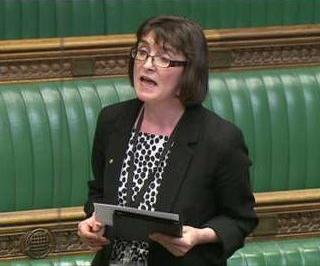
Following the House of Commons Debate on my Ten-Minute Rule Bill on 13 September, Unsolicited Marketing Communications (Company Directors), I am delighted that the UK Government has agreed to fully adopt the recommendations I proposed and legislate to make directors personally responsible for their company’s actions, should it be involved in making nuisance calls. For too long, fines or sanctions have been easily avoided by companies dissolving and resurfacing using a new moniker. From 01 April 2017, company directors will be held to account and could face personal fines of up to £500,000, should it be proven that their company acted unlawfully.
It is my hope that this will dissuade rogue organisations from making nuisance calls and hamper the circumvention of fines. However, we need to ensure these new rules are robust and that new powers given to the Information Commissioner are put to best use in order to relieve distress for the hundreds of thousands of people who are currently plagued by nuisance calls every day.


