

Mixed fortunes for birds in Scotland
Woodland birds have increased in Scotland by 68 per cent overall since 1994, according to a new report from Scottish Natural Heritage (SNH).
The Official Statistic for Terrestrial Breeding Birds, published on 17 November, reveals mixed fortunes for birds in Scotland, with woodland and farmland birds increasing and upland birds decreasing overall.
Some woodlands bird populations have increased hugely, with Great Spotted Woodpeckers increasing by 530 percent and Chiffchaff by a massive 752 per cent. The reasons for these increases aren’t certain, but changes in how woodland is managed may be starting to help woodland birds. The effect of climate change is also making a big difference for some woodland birds in Scotland — for example, improved conditions in their wintering areas have helped Chiffchaffs. Willow Warblers and Tree Pipits are also good examples, showing more positive trends in Scotland than further south. Willow Warblers have increased by 46 per cent, with Tree Pipits up 86 per cent.
Farmland birds have also increased overall with long-term increases in several species, including Goldfinch (429 per cent), Great Tit (176 per cent), Magpie (143 per cent), Corncrake (127 per cent) and Common Whitethroat (99 per cent). Unfortunately declines continue among waders, with Northern Lapwing (down 53 per cent) and Oystercatcher (down 40 per cent) experiencing large declines. But targeted management for these species through the Scottish Rural Development Programme is helping boost populations in some areas.
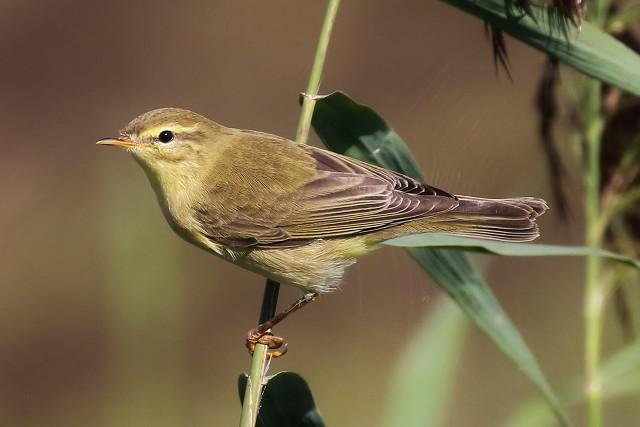
it has increased in Scotland (Photo: Neil Rendall)


