

Climate protection with knife and fork?
Assja Baumgärtner
20% of all CO2 emissions are caused by the production, storage, transport and preparation of food. In 2005 it was around 14%, so we are looking at a rapid and continuing rise. Food scientists say that by reducing the intake of meat and dairy products we could reduce the emission of methane and nitrous oxide by up to 80%.
The figures make this very plain. It takes 10kcal of plants to produce 1 kcal of beef and 5 kcal of plants for 1 kcal of milk. Poultry and eggs use 4 kcal and pork needs 3 kcal. These high figures are the result of intensive production that ‘rush’ animals to their slaughter weight as quickly as possible. Using organic agricultural methods can produce up to 67 % less greenhouse gas, and when animals grazed on the hills instead of eating concentrated foodstuffs, there was far less of a problem.
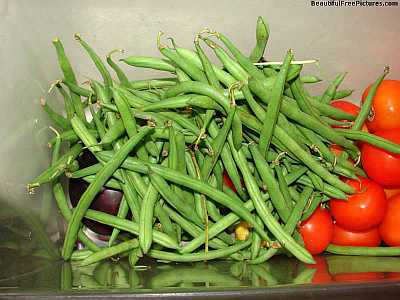 Modern agricultural practice and Defra standards means we have little choice in this except to buy organic whenever we can – but it’s very possible to accept the advice of doctors and nutritional scientists to reduce our intake of meat. Buying local or regional meat certainly reduces food miles and therefore cuts down the CO2. Buying fresh instead of freezing helps, too. Did you know that cooling and freezing produce more gasses than cooking does?
Going back to a more seasonal cuisine could be one of the best planet-saving measures. Expecting to have such things as strawberries, sweet peppers and courgettes in midwinter means these things are imported over thousands of ‘food miles’, producing tons of CO2 from freight aircraft. Britain used to be known world-wide as THE apple country, with more varieties of apples to offer than any other nation, so it angers me to no end to see apples in the shops that have been shipped in from Chile, New Zealand and South Africa.
Buying food seasonally has many health advantages. Storage vegetables like kale, cabbages, potatoes, carrots and ‘neeps’ provide a high content of vitamins in the winter. Seasonal fruits and vegetables offer a wonderful change in taste and colours as they come round in their turn. I’m sure many of us will remember the lovely smell of oranges and cranberries at Christmas, and the delight of strawberries in June.
Packaging contributes strongly to global warming. Putting a ready-made meal into the microwave for a family of four does not save much time – it’s almost as quick to run up a pasta dish or a vegetable bake with salad – but it produces masses of CO2. Your instant meal has been cooked then cooled, packaged, frozen, stored, transported from factory to shop then microwaved, creating greenhouse gas all the way along the line. And then its wrappings end up in landfill or an incinerator.
Going shopping on foot may be difficult on Arran, and most of us have already learned to reduce our shopping trips with the car to a minimum, if only to save petrol costs. But buying a lot at one go can result in waste. Million of tons of greenhouse gases are produced by discarded food rotting away in landfills or going up in incinerator heat and smoke. Don’t buy more than you need! As every granny can teach us, sensible shopping, clever cooking and making use of leftovers can cut your household budget while also contributing massively to reducing global warming. What’s more, it tastes nicer and is better for you. Certainly worth a try!


