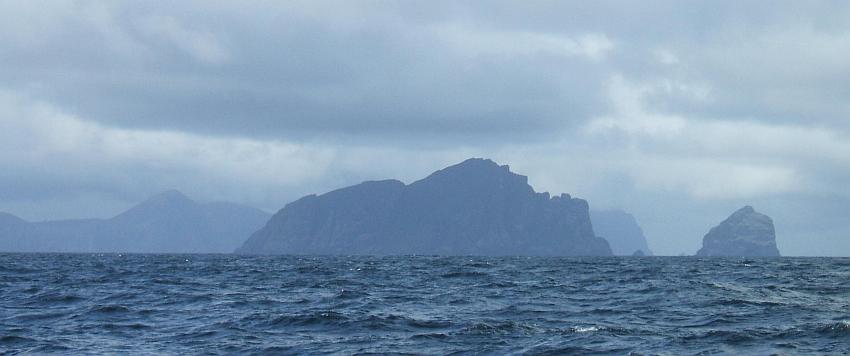
Seabirds threatened by climate change
The survival of seabirds including puffins and kittiwakes on St Kilda – the island archipelago home to one of the world’s most important seabird populations – is being threatened by climate change, striking new evidence shows.
Naturalists have discovered that the kittiwake, a small migratory gull with ink-black wing tips, is on the brink of disappearing from St Kilda. The remote cluster of Scottish islands in the eastern Atlantic is the UK’s only place with two Unesco world heritage site listings – for its culture and natural history – and one of only 24 sites with a dual listing worldwide.
The kittiwake did not breed in St Kilda this season, with just one chick born there this year after a 99% decrease in occupied nests since the 1990s. Its adult population has since halved. The number of fulmar chicks has plunged by 33% since 2005, while St Kilda’s puffin population is in persistent decline.
Warming seas to the west of the Hebrides are believed to have driven the marine life the birds rely on further north into colder seas or deeper into the water, starving the birds of food. The findings from the annual bird survey by the National Trust for Scotland, the charity which owns St Kilda, have alarmed conservationists. “This data from St Kilda is really extremely worrying,” said Dr Paul Walton, head of habitats and species in Scotland for the Royal Society for the Protection of Birds. “We are losing whole colonies of these birds now and it’s a very serious issue. Frankly, it breaks my heart, it really does.” With crucial UN climate talks just ended in Paris, the data underscored the case for urgent action on climate change, he said. Capping the growth in global temperatures at 2°C could be enough to allow the marine environment to adapt over time, Walton added.
“There’s a very strong climate change link here” he said. “We are clear on what the science is saying, that really big ecology effects of climate change are unfolding in the marine environment around Scotland right now. It’s not coming, it’s here now.”
Susan Bain, who manages the island for the NTS, has ruled out windfarms and overfishing as other causes for the birds’ decline. Studies of dead kittiwakes found they had not been eating their normal diet, suggesting fish had moved to follow the cooler waters.
Lighter and more buoyant than their neighbouring gannets, the birds struggled to dive to the necessary depths. As a result, dead chicks were found having digested non-nutritious pipefish.