
Arran Coastal Way Team Tackle Plastic Pollution
 Our seas are filling up with plastic rubbish and chemical sludge. It has recently been estimated that 8 million tons of plastic waste are dumped in the ocean each year and it is predicted that the total amount could increase tenfold by 2020.
This has a massive impact on marine wildlife: for example, plastic bags look very much like jellyfish when floating around and a dead whale was recently washed up in France with 800kg of disposable bags in its stomach. The remains of sea birds are regularly found with cigarette lighters and other assorted plastic in them. A recent scientific study estimates that 90% of the world’s seabirds are likely to have pieces of plastic in their guts. Plastic waste also affects other marine wildlife such as dolphins, seals, turtles and fish, which become entangled or choked by it.
And it doesn’t stop there – all the plastic that has ever entered the seas is still there. It just breaks down in sunlight into smaller and smaller particles. These microparticles are then ingested by smaller fish and organisms There is also concern that the so-called microspheres present in more and more cosmetic items are adding to this problem. In addition, in the process of breaking down many plastics releases toxic chemicals, which scientists have proven are building up in the food chain – something to think about next time you eat seafood.
So it comes as no surprise that Arran is also impacted by marine pollution. I am sure that while walking along the beach you’ve seen plastic drinks bottles and other rubbish littering our shores. When the Gulf Stream hits the south coast it brings with it not only warm water but also plenty of plastic. For this reason, and to make the Coastal Path more pleasant for walkers, the Arran Coastal Way team decided to clean up the whole coast of Arran.
Starting at Kildonan and with generous help from COAST, local farmers and volunteers, they have so far collected around 150 tonne bags of rubbish – sometimes from extremely inaccessible stretches of coastline. This includes a lot of items from the fishing and shipping industries (nets, full and used oil canisters, fish crates, buoys, gloves etc.) and a vast number of plastic drinks bottles. Additionally they come across car wheels and tyres, plastic shopping bags, tents, sweet wrappers, cigarette lighters and many other smaller unidentifiable pieces of plastic. 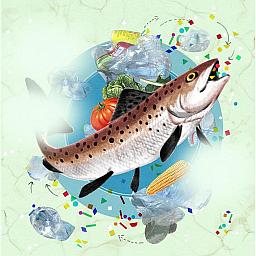 One of the most common items, and probably the most difficult to pick up, are cotton bud sticks – cotton buds thrown down the toilet after use are small enough to pass through the sewerage plant filters and end up in their tens of thousands all around Arran’s beaches.
The team has been doing litter picks every Wednesday for the last six months and has so far reached Blackwaterfoot. They intend to work their way clockwise around the coast until they reach Kildonan again. If you are interested in helping out, then please contact Rachel Sedman on 01770 303926 or you can write to her at arran@coastalway.co.uk
The internet is full of articles about plastic pollution in the sea. If you’d like to read more, then you might want to start here and then here.
Information about the work being done to improve the Arran Coastal Way can be found on their website.


